
Salt, sugar, and stress
When the body wants rest, but the mouth wants food

It’s 9pm. You are done with the day. You’re tired and your guard is down.
You find yourself in the kitchen looking for something. You are not hungry. You just want something sweet, crunchy, salty.
You open the cupboard and you already know how this ends. At this time of night, food is a painkiller.
Last week we talked about hunger. Today we are looking at cravings.
What starts the craving
When you eat without physical hunger, you are usually trying to change your state.
Hunger asks for energy. Cravings ask for relief.
At the end of a long day, food becomes an easy tool to manage discomfort. It’s a physical solution to a mental problem.
Before you look at what you are eating, look at the source. Most cravings come from one of four causes:
😐 Emotional: It’s uncomfortable to feel bored, lonely or stressed. Eating offers a quick way to check out or feel better.
🔁 Habitual: You are following a routine. If like me, you always eat while watching movies, your brain links the two. Sitting on the couch starts the urge, not your stomach.
👃 Sensory: You are reacting to your environment. The smell of a bakery or watching a cooking show triggers a physical response, even if you aren’t hungry.
🚫 Restriction: Your system is rebelling against a rule. When you tell yourself you are “never” allowed to eat something, you make it the only thing you want.
Decoding the signal
You rarely crave “food” in general. You crave a specific taste or texture:
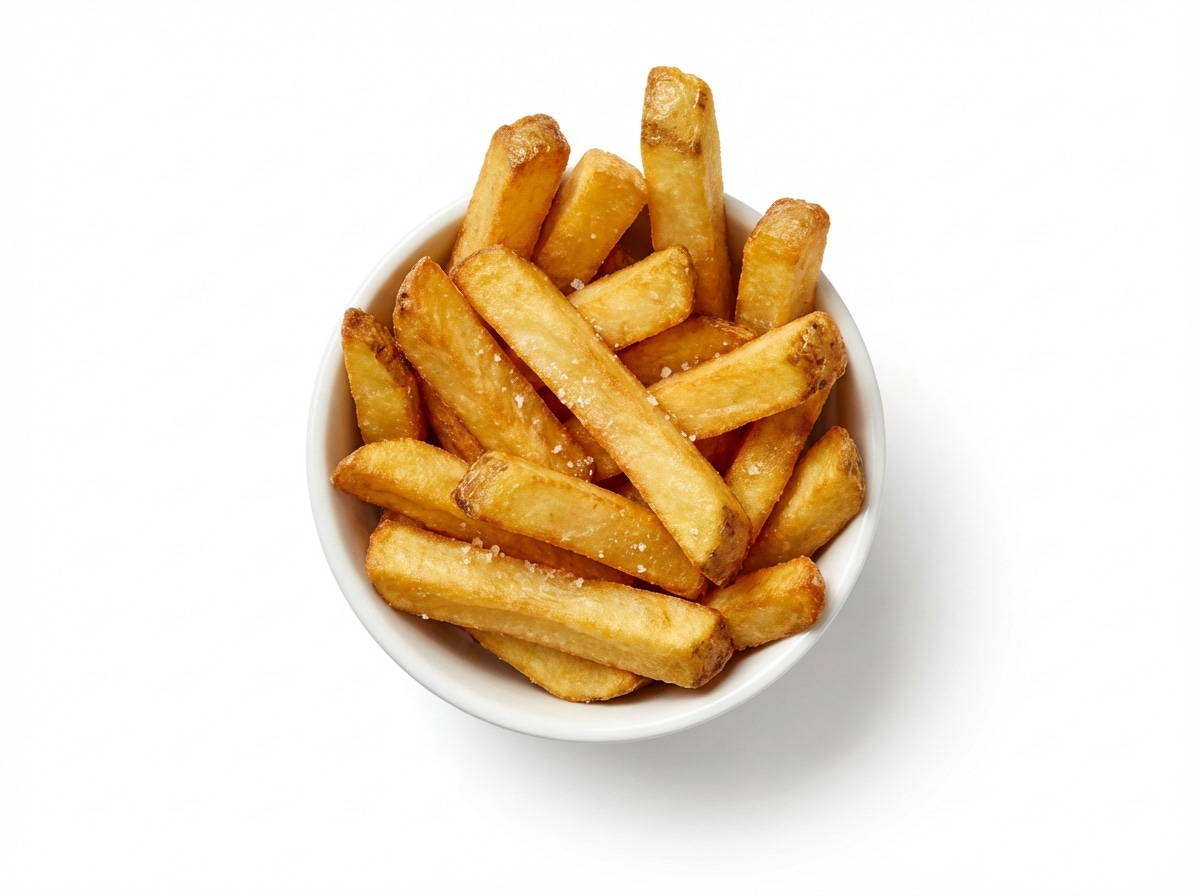
Crunchy: This often signals tension or frustration. The jaw holds a significant amount of physical stress. Chewing hard and crunchy food is a way to release that tension.
Salty: This often points to stress. When stress levels are high, the body uses minerals faster. The craving is your body trying to ground itself.
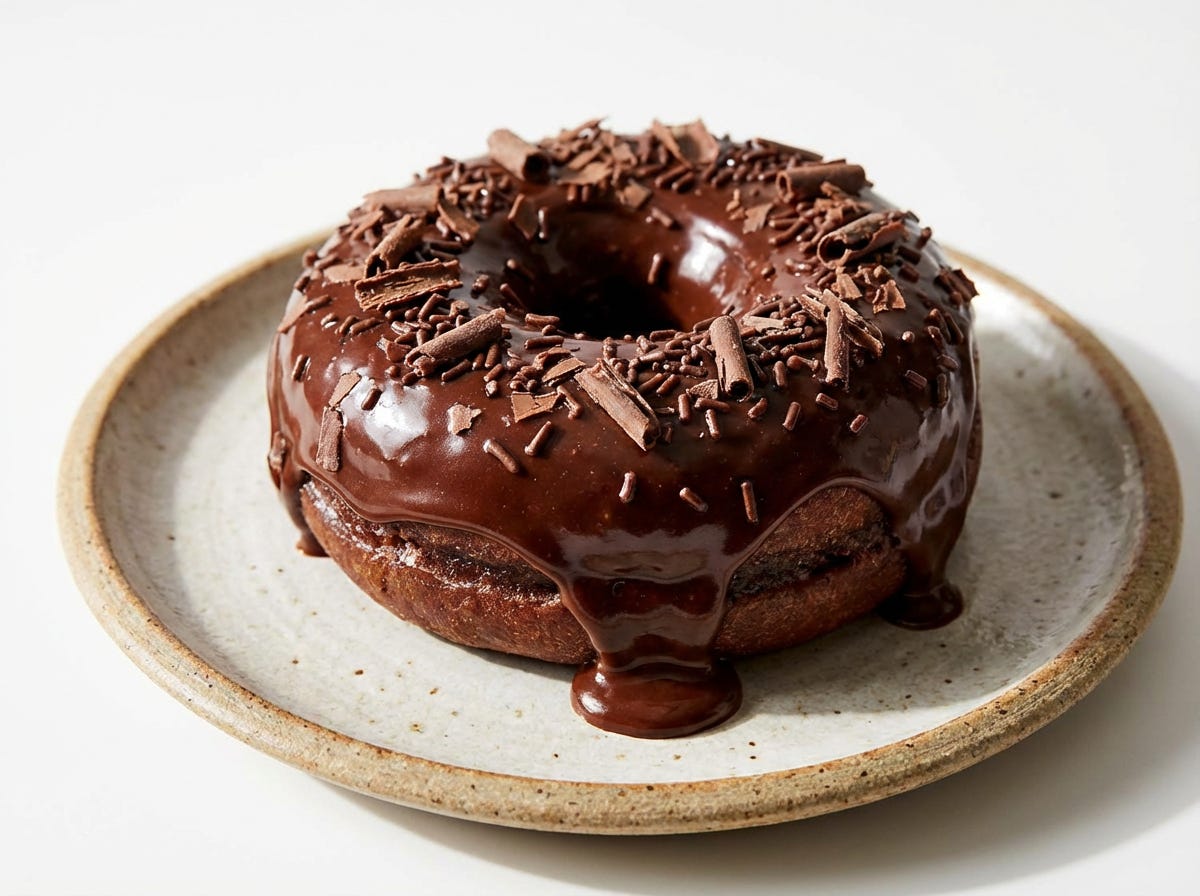
Sweet: This is a search for stimulation. When you are feeling flat, bored or lonely, sugar provides a temporary chemical lift.
Fatty or carby: This is a search for sedation. When you are over-stimulated, heavy foods force the body to slow down to digest. We often eat these foods when our system wants us to rest.
Handling the craving
If you wait until you’re in the kitchen, it’s already too late. You need a plan before the urge arrives. Here are some ideas:
1) Stock up
Have a better quality answer ready for when your body asks for relief. If you crave crunch, have carrots or corn crackers. If you crave sweets, have kiwis or honey. I always have sweet potato soup in the freezer, as it acts as comfort food for me.
2) Hide the thing that tempts you
Most cravings are sensory. Don’t rely on your willpower. If you don’t want to crave something, don’t leave it on the counter. Put tasty unhealthy foods deep in a cupboard, freeze it or don’t buy it.
3) Know your patterns
You likely crave the same thing at the same time everyday. Note down the time and the emotion. If you know that at 9pm is “boredom” time, plan something else: brush your teeth, dim the lights and prepare your system to go to sleep.
Action for the week:
Pick one:
Replace one nightly craving ritual with a healthier ritual, like a shower, music or a stretch. Notice how your body and mind feel afterward.
Once this week, eat the food you crave slowly and with attention. Sit down. No screen or phone. Taste it completely. Pay attention to the kind of relief it gives you.
Go through your kitchen. Remove one food that triggers a craving. Replace it with two options that serve you better.
The goal for this week is not to suppress the craving, but to understand it.